
Interactive modulesVisual anatomyOn-call focus
Modern ENT learning for clinicians
Get confident with ENT faster.
A practical, visual and interactive ENT induction platform for clinicians who want clearer anatomy, safer first steps and better decisions during real clinical work.
Foundation doctorsGP traineesMedical studentsEmergency clinicians
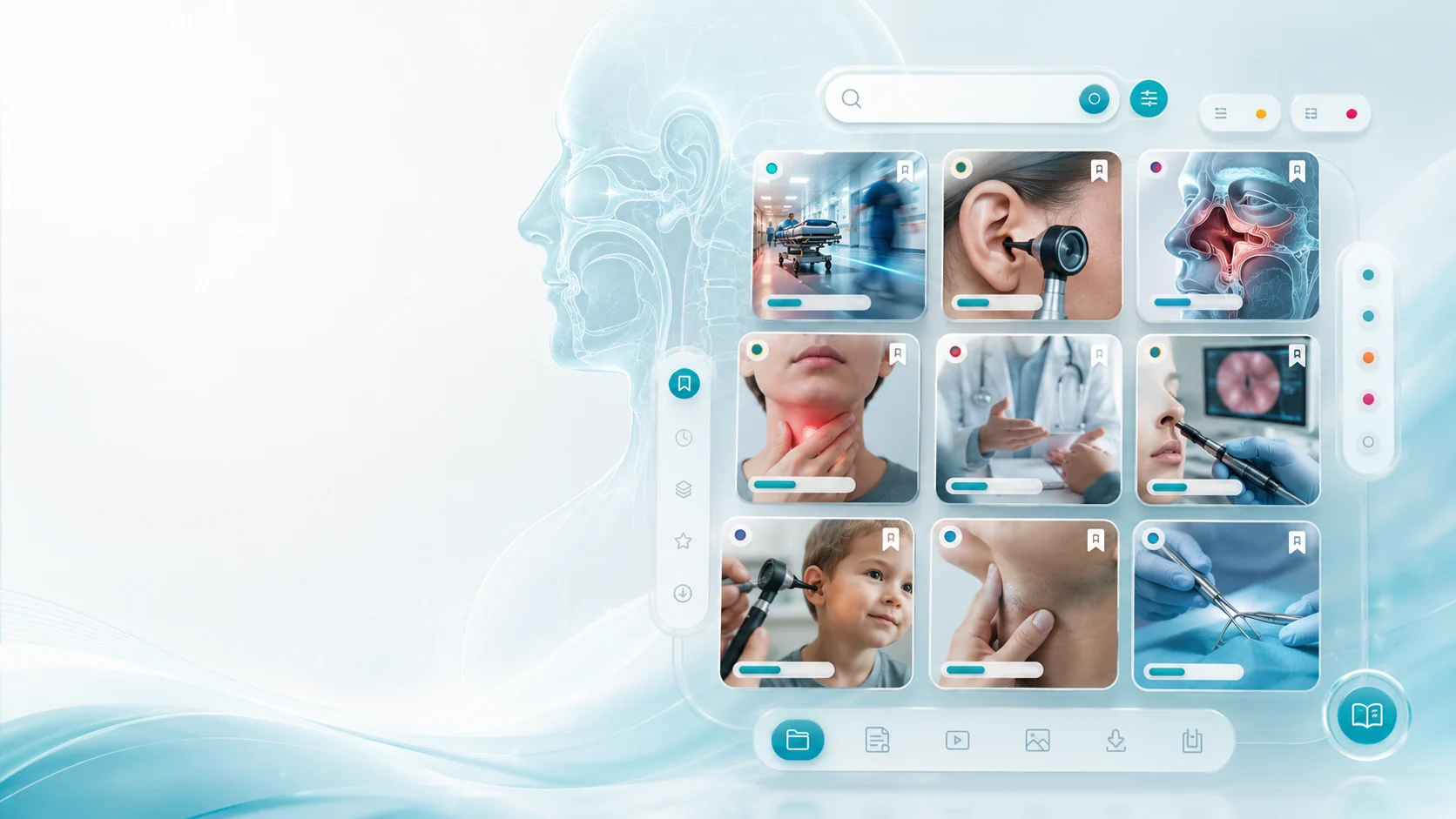
Clear starting routesInduction, emergencies, anatomy and core skills.
Built around practiceRed flags, equipment, escalation and documentation.
Visual, memorable, clinical.Designed for the way ENT is actually learned.
Why it works
ENT is practical, visual and three-dimensional. The learning should be too.
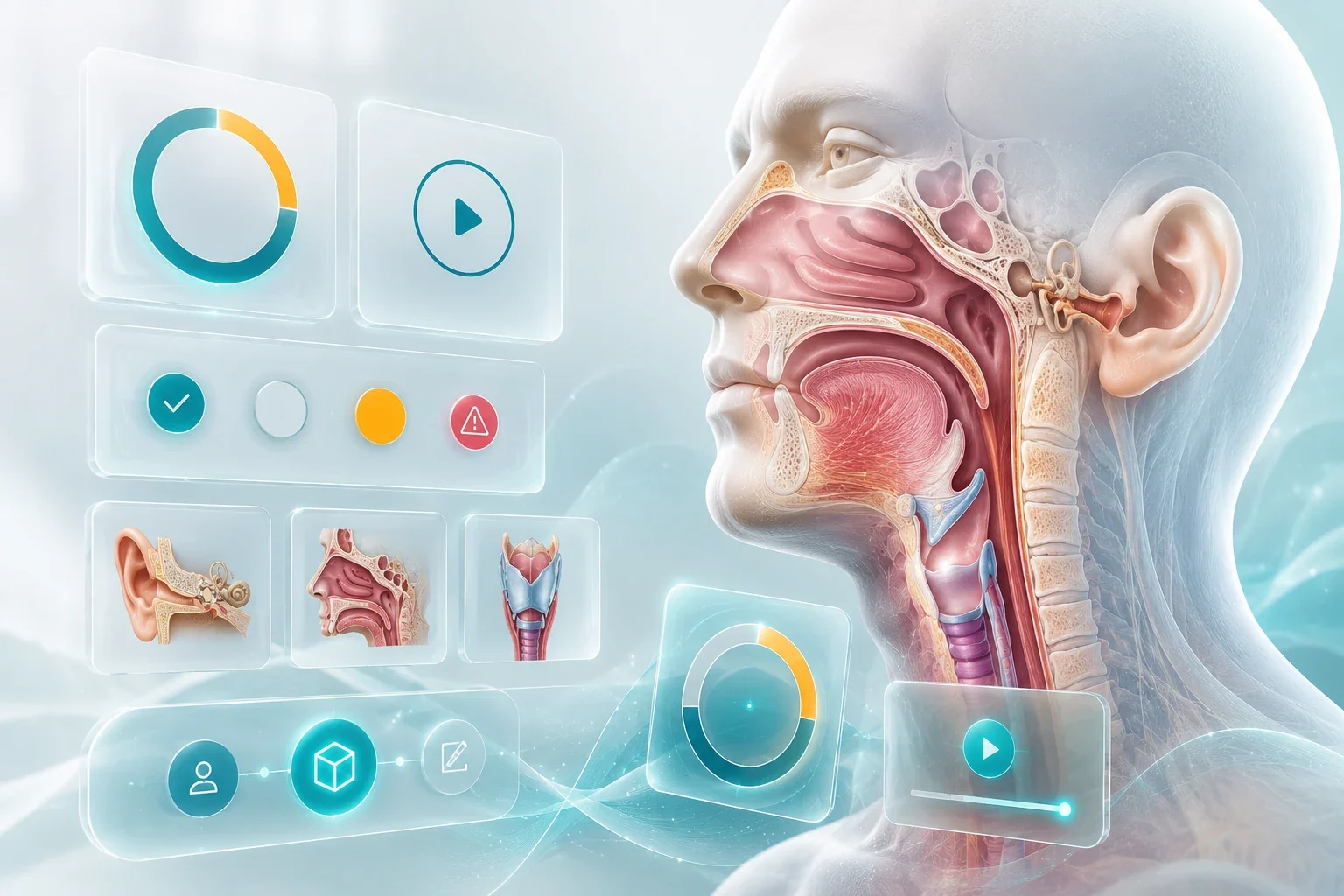
ENT Induction brings the core first-shift knowledge into a structured learning environment: anatomy you can picture, skills you can prepare for, and escalation decisions you can practise.
Recognise what matters
Focus on red flags, common referrals, emergency equipment and senior escalation thresholds.
Learn visually
Use image-rich anatomy and applied clinical context instead of scattered notes alone.
Prepare for skills
Review technique, views, documentation and troubleshooting before supervised practice.
Check understanding
Use short checks and modules to revisit weak areas before shifts or teaching sessions.
Start in the right place
Choose a focused ENT learning route.
Use the route finder to move straight into the pathway that matches the learner’s goal.
Choose your ENT learning route
Start with the clinical situation you are preparing for, then move into the relevant teaching.
Courses and modules
Explore focused modules for real ENT practice.
Start with high-yield pathways, visual anatomy and practical skills modules that learners can revisit before placements, clinics or on-call shifts.
Interactive ENT modules

PaidVideoInteractive
ENT In Primary Care
Welcome to our course on ENT in Primary Care! This comprehensive program is designed to equip primary care doctors, such as general practitioners and emergency department…
£50.00

PaidVideoInteractive
ENT SHO Induction
Welcome to our comprehensive ENT SHO induction course! Designed specifically for new otolaryngology doctors, this course covers everything you need to know to get started in…
£50.00
Who it is for
A learning platform for every stage of ENT exposure.
Use ENT Induction before a placement, at the start of an ENT job, while revising common presentations, or as a visual support for teaching.
Medical students
Build foundations before clinical placements and ENT teaching sessions.
Foundation doctors
Prepare for ENT referrals, on-calls and common emergency presentations.
GP trainees
Strengthen outpatient recognition, management and referral confidence.
ENT trainees
Revisit anatomy and structured teaching resources during training.
Educators
Support induction, teaching days and blended learning pathways.
Emergency clinicians
Review red flags, first steps and escalation principles for acute ENT.
Built for clinical learning
Short lessons, memorable visuals and clinically useful context.
The platform focuses on what learners need most: what to recognise, what to do first, when to escalate and how anatomy connects to clinical practice.
Before a rotation
Build a safer baseline before stepping onto the ward or taking referrals.
During revision
Return to anatomy, emergency priorities and practical skills when they become relevant.
For teaching sessions
Use visual modules as a launch point for blended teaching and case discussion.
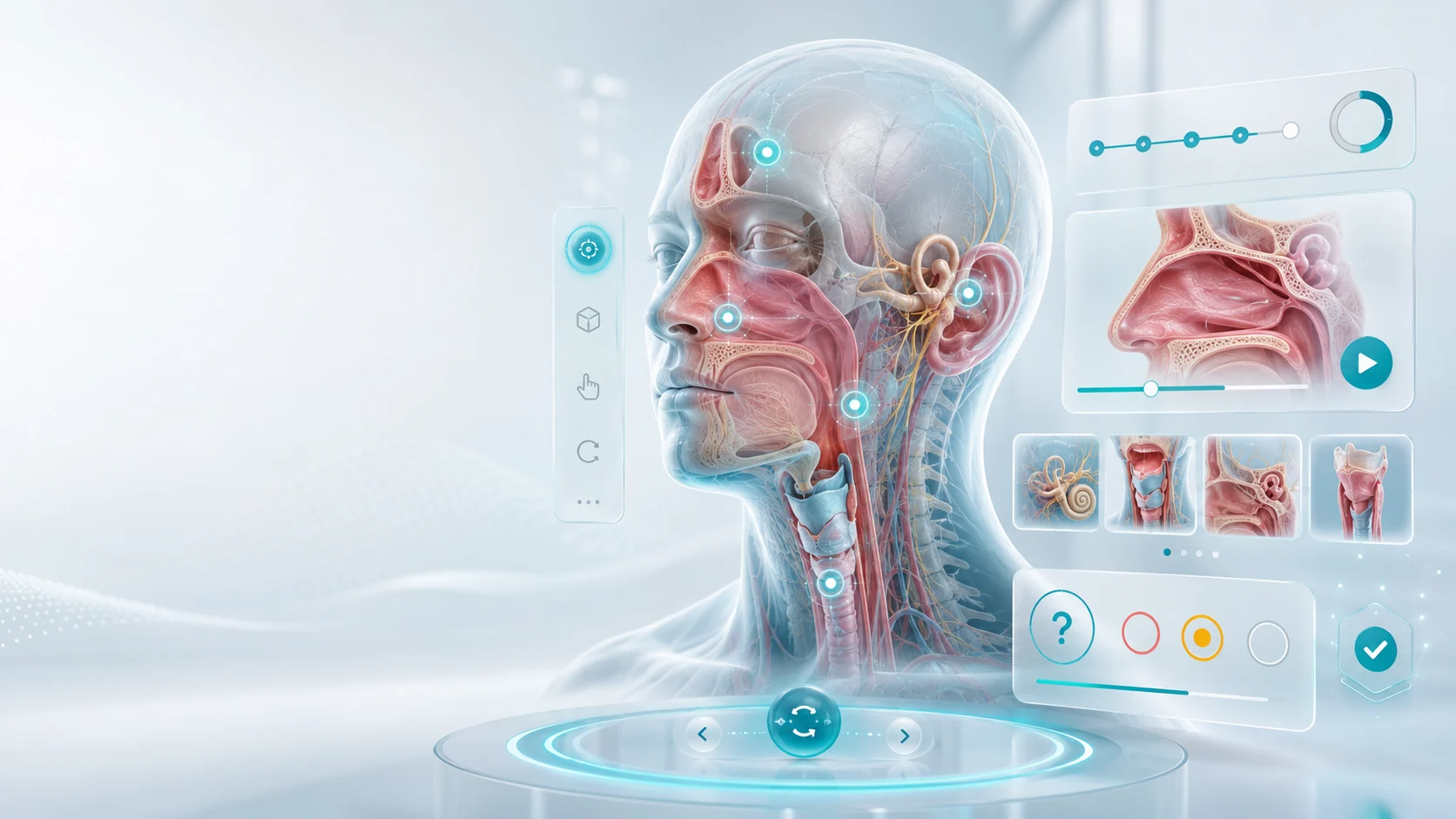
Anatomy connected to practice.Designed to support real clinical orientation, not just memorisation.
Inside the platform
Everything points back to practical ENT confidence.
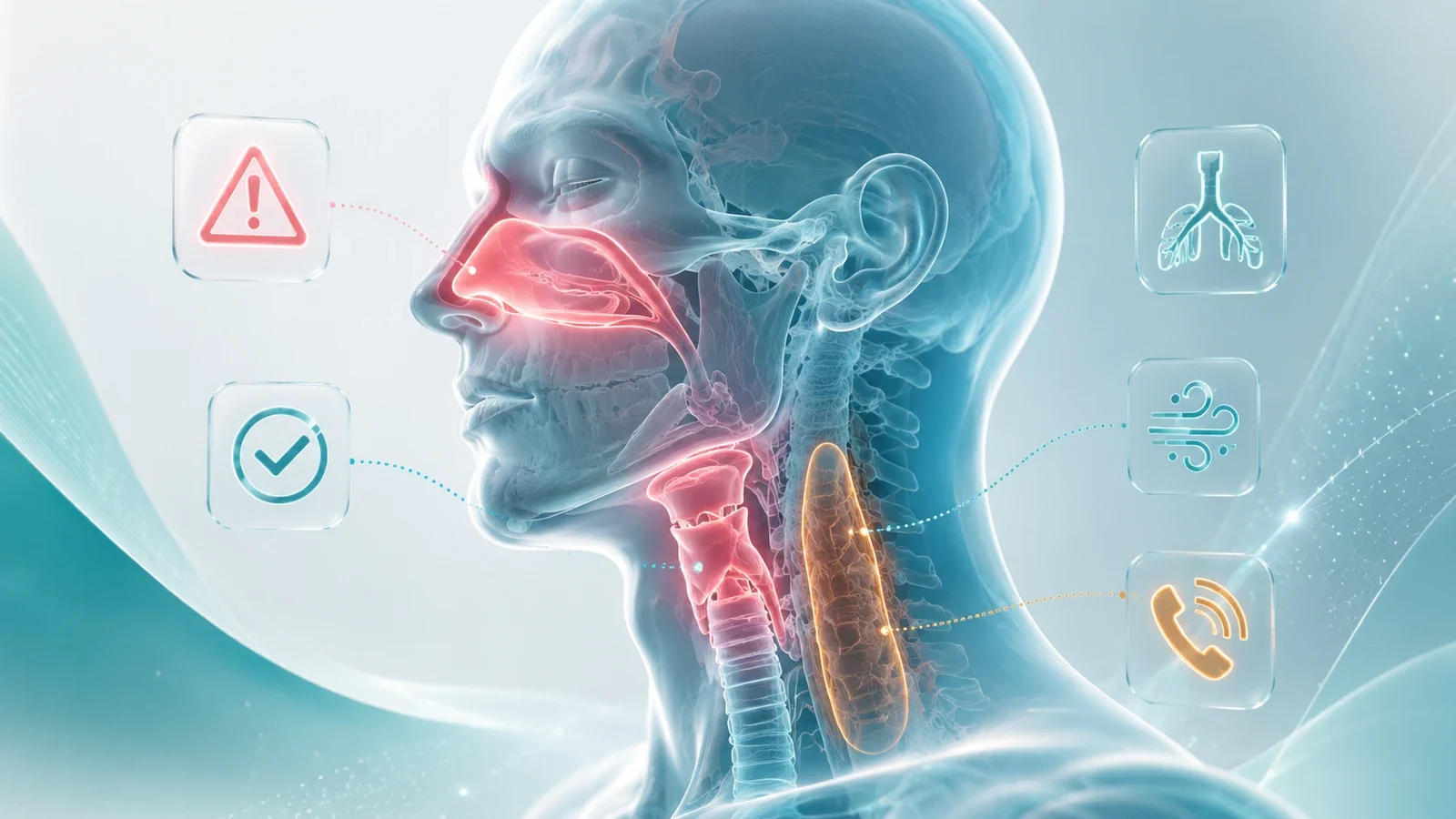
Emergency first steps
Common urgent presentations with safer initial assessment and escalation prompts.
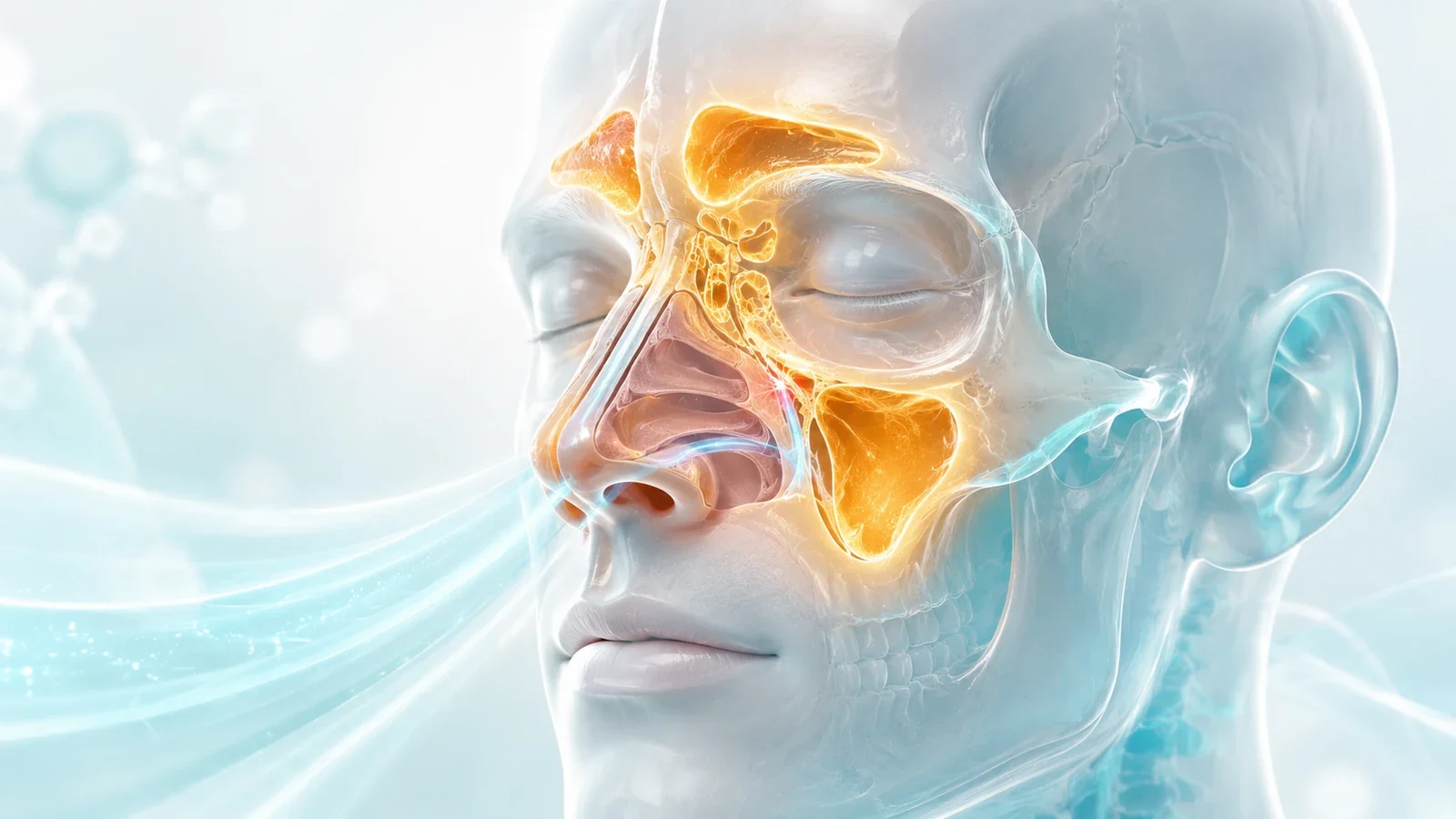
Rhinology made visual
Drainage pathways, landmarks and anatomy learners can revisit.
Skill preparation
Nasendoscopy views, language, pitfalls and troubleshooting before supervised practice.

Founder & instructorOxford-based ENT registrar
Meet your instructor
Mr Robert Maweni, MB BCh BAO, FRCS (ORL-HNS)
Robert Maweni is an Oxford-based ENT registrar completing specialist training with a fellowship in Rhinology and Facial Plastic Surgery.
ENT Induction brings his medical education focus into a practical, interactive format for learners who need clearer ENT anatomy, safer first steps and more confidence in clinical settings.
Testimonials
Trusted by clinicians preparing for ENT practice.
Six reflections from clinicians using induction-style ENT teaching to feel clearer, safer and more prepared.

“The most useful induction to a speciality I’ve ever had. Very high yield topics delivered in a succinct way.”
Dr MoeziniaFoundation Trainee
“From the emergency bag to nasendoscopy, I felt more prepared for my first on-call than in any other rotation.”
Dr KudhailGP Trainee
“A thorough, thoughtful induction with an excellent overview of common ENT pathologies and key red flags.”
Dr ParleFoundation Trainee
“After the induction I felt more comfortable tackling common ENT pathologies on call.”
Dr BakerGP Trainee
“The ENT induction really helped to boost my confidence going into ENT on-calls.”
Dr ToddFoundation Trainee
“Comprehensive and easy to understand sessions. I especially enjoyed the interactive nasendoscopy session.”
Dr MannFoundation TraineeResources
Keep useful ENT resources close to the modules.
Fast links and short teaching notes help learners go deeper without losing the focused landing-page journey.
Explore ENT Induction resources
Move between modules, resources, articles and support.
No articles have been published yet.
Published WordPress posts will appear here automatically.
Stay connected
Get updates on new modules and practical ENT learning resources.
Join the ENT Induction list
Receive practical ENT learning updates and new module releases.
Required fields are marked clearly. Submissions are stored in WordPress for follow-up.
Please check the form.
Frequently asked
Clear expectations for learners.
A few essentials before learners start the modules.
No. It is an educational resource to support learning and clinical training. It does not replace local guidelines, supervision or senior clinical decision-making.
Start with the induction route, then use emergency and nasendoscopy modules for common on-call situations.
Yes. The platform can support blended teaching, module-based revision and practical induction sessions.